Nutrition Needs
During Weight Loss
and How GLP-1 Enters
the Conversation
Why This Matters Now
The rapid adoption of GLP-1 therapies has expanded conversations around nutrition and weight management. While weight loss may be the primary goal, maintaining overall nutritional health remains an important consideration. According to Mozaffarian and colleagues (2025), “high costs [of GLP-1 therapy], lower adherence in practice, and frequent weight regain after discontinuation, each highlight the importance of complementary nutritional and lifestyle counseling to help maximize overall efficacy and cost-effectiveness.”
As a pharmacist, you may be receiving questions about protein intake, hydration, muscle maintenance, and practical ways to support nutrition while appetite is reduced. This resource is designed to help you navigate these conversations with confidence.
Nutrition Considerations Go Beyond Weight Loss
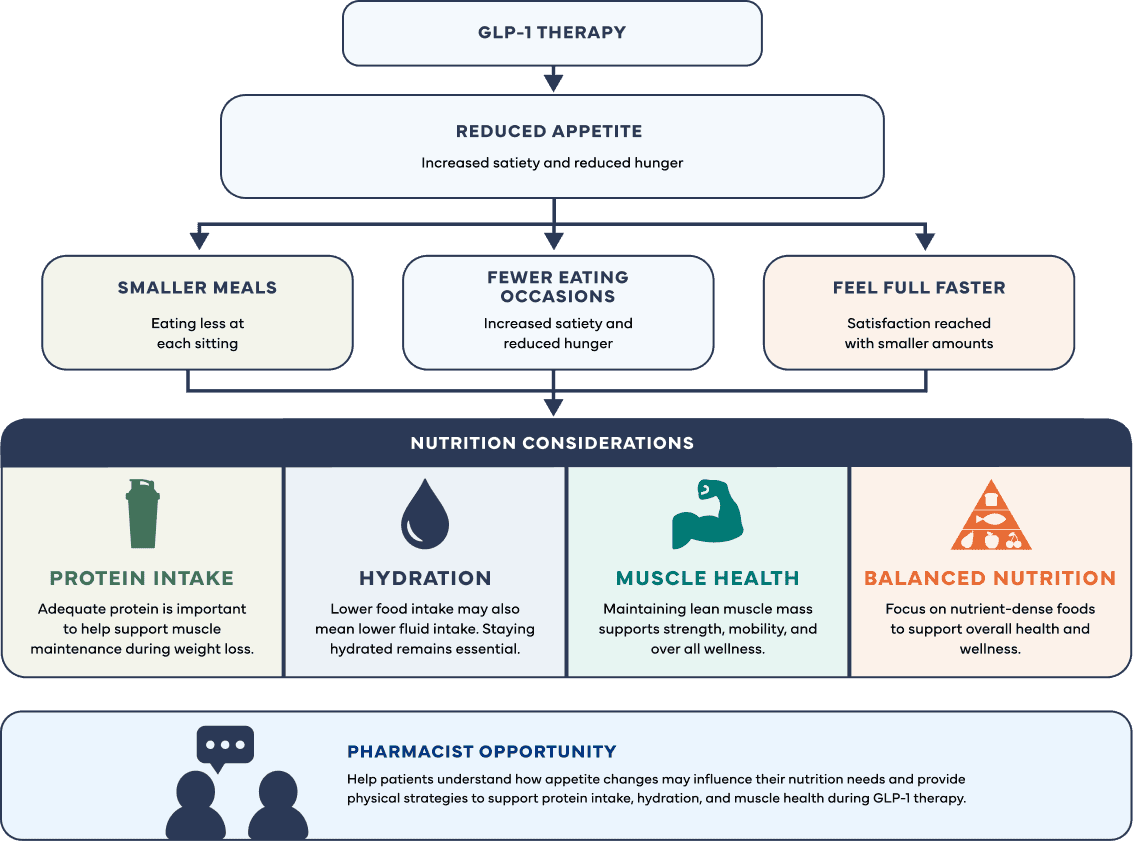
Reduced appetite can make it more difficult to consume adequate amounts of protein, fluids, and other nutrients. As an easily accessible healthcare provider, you can help patients understand how nutrition habits can support broader goals such as maintaining muscle, supporting hydration, and promoting overall wellness throughout the weight-loss journey. This knowledge can help you guide more informed nutrition discussions.
Maintaining Muscle During Weight Loss
Maintaining muscle during weight loss is one of the most important nutrition considerations for individuals using GLP-1 therapies.
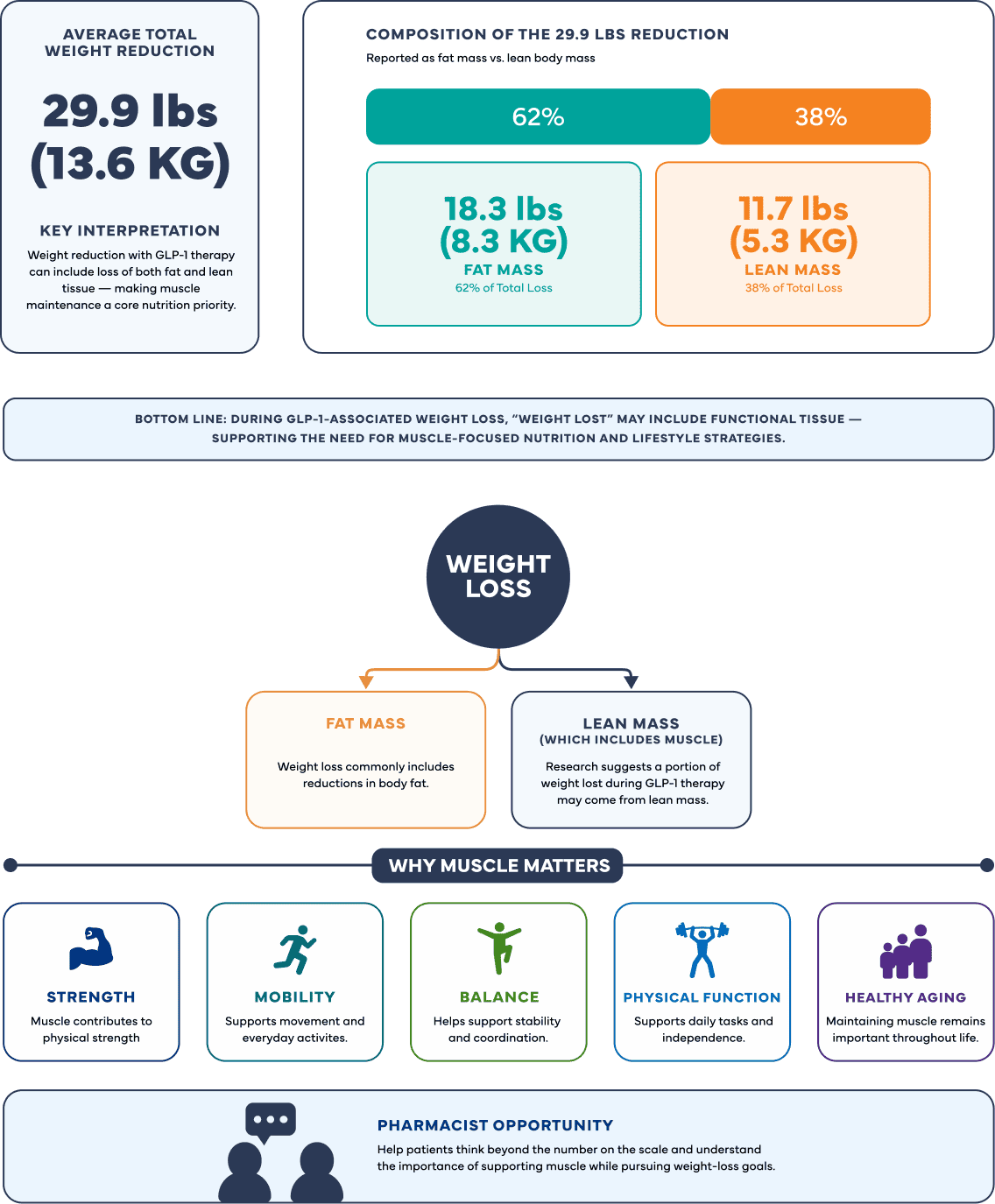
According to a recent joint advisory publication: “Rapid weight reduction from (but not limited to) GLP-1 use frequently leads to loss of both fat and muscle mass. In the STEP 1 trial, of the average 29.9-lbs–weight reduction (13.6 kg), 18.3 lbs (8.3 kg) (62%) was fat mass and 11.7 lbs (5.3 kg) (38%) was lean body mass (including muscle and other nonfat tissues). Because muscle mass is about half of lean body mass, this corresponds to ~20% of total weight reduction being muscle loss.” (Mozaffarian, et al. 2025)
Weight loss can include losses in both fat mass and lean mass including muscle mass. Preserving muscle is an important consideration during weight-loss efforts.
Step 1 Trial Body Composition Summary
Weight Loss is Not Just Fat Loss
in STEP 1, average weight reduction included both fat mass and lean body mass, which includes, muscle mass.
Mozaffarian et al., 2025 joint advisory
Finding Approaches Patients Can Maintain
Reduced appetite during GLP-1 treatment can be accompanied by side effects such as nausea, vomiting, bloating and other digestive changes. These can introduce practical challenges when trying to adhere with the treatment or even when trying to meet protein goals through traditional eating patterns alone.
Adherence to GLP-1 therapy for obesity is quite low in practice: About 33%–50% at 1 year and just 15% at 2 years (Mozaffarian, et al. 2025). Regarding adequate nutritional intake, individuals can be counseled to eat small “protein first” breakfasts and small meals every 3–4 hours while drinking adequate fluids. A relative protein intake of 0.54 -0.73 g/lb./day (1.2–1.6 g/kg/d), has been proposed during active weight reduction (not specific to GLP-1 patients). (Mozaffarian, et al. 2025) Alternatively, an absolute protein target of 80–120 g/d, or 16%–24% energy on a 2000 kcal/d diet, while ensuring adequate intake. (Mozaffarian, et al. 2025)
Nutrition Support Can Help Patients Meet Nutrition Goals
Practical counseling targets: protein-first eating pattern, small frequent meals, fluids, and individualized protein goals.
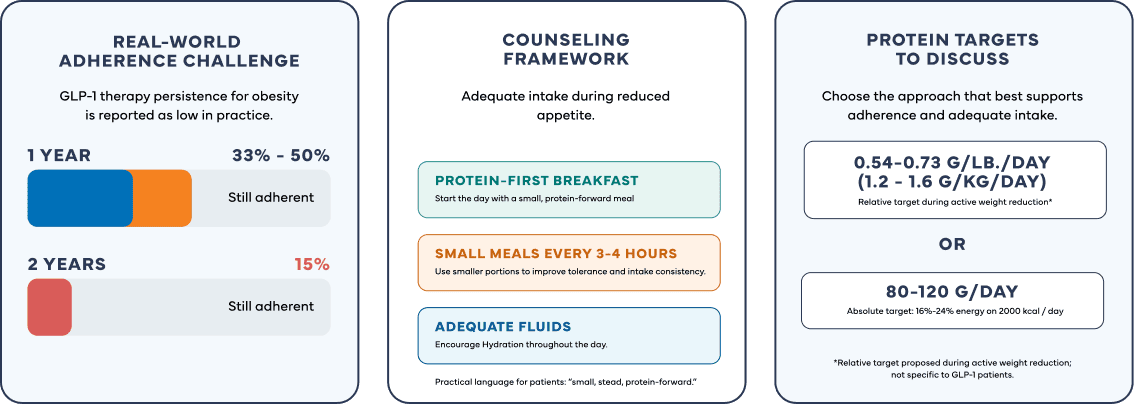
Source: Mozaffarian et all., 2025 joint advisory. Adapted for healthcare practitioner education; recommendations should be individualized to patient needs, clinical status, and tolerability.
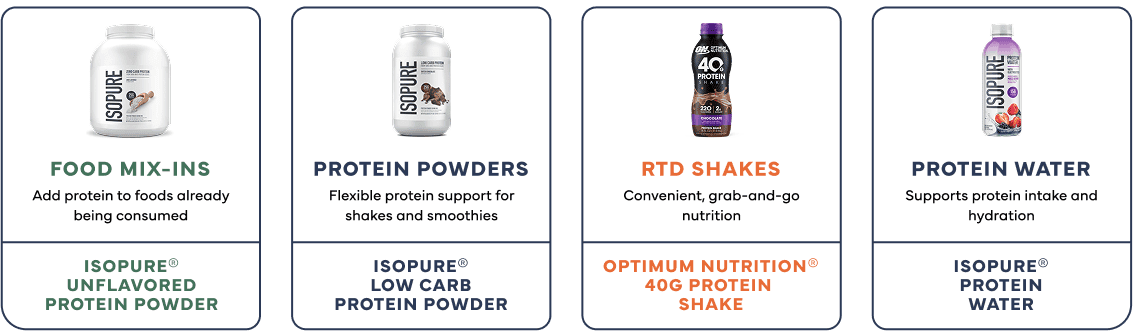
For some individuals, adding protein to foods already being consumed may feel like the easiest approach. Others may prefer ready-to-drink formats or protein powders that can be incorporated into smoothies or shakes. Indeed, some individuals can meet protein targets by supplementing with high-protein shakes, bars, and other fortified products according to a 2025 Advisory publication. (Mozaffarian, et al. 2025)
The most effective solution is one that fits into a patient's lifestyle and can be maintained., helping you individualize protein recommendations.
How GLP-1 Therapy May Change Nutrition Habits
GLP-1 therapies can be a powerful tool for weight management, but they may also impact appetite and eating patterns, creating new nutrition considerations.
Protein Formats That Fit Real Life
Patients may understand that protein is important but still struggle to consume adequate amounts when appetite is reduced. Exploring different protein formats or incorporating protein into existing eating habits and routines may be a practical way to help meet protein needs throughout the day.
Potential options include:
Hydration is Part of the Conversation
Due to fluid losses from potential vomiting and diarrhea, as well as reduced intake, hydration needs should be considered for those undergoing GLP-1-supported weight-loss efforts. Patients taking a GLP-1 should be encouraged to achieve target fluid intakes of >2 – 3 L/day, and those needs should ideally be met through water, low-calorie beverages (such as unsweetened coffee or tea), or nutrient-dense beverages (such as low-fat dairy or soy alternatives). Limitation or avoidance of caffeine intake has been recommended during weight loss in light of the potential diuretic effect on high caffeine intake. (Almandoz et al, 2024). Helping patients maintain adequate hydration can support practical discussions about fluid choices during GLP-1 therapy.
Hydration Guidance for Patients During Weight Loss
Keep fluid intake simple, steady, and easy to tolerate during weight loss.

Best Ways to Meet Fluid Needs

Source: Almandoz et al, 2024. Graphic adapted for HCP/patient education: hydration recommendations should be individualized, especially for patients with fluid restrictions or relevant comorbidities.
FAQ
Nutrition Solutions for
Today’s Patient Conversations
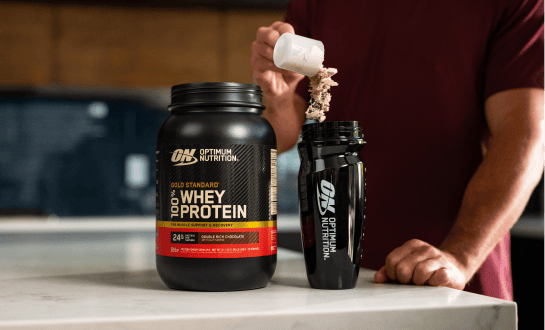
May be relevant when discussing:
- Protein intake
- Active lifestyles
- Recovery needs
- Creatine supplementation
- Convenient nutrition support
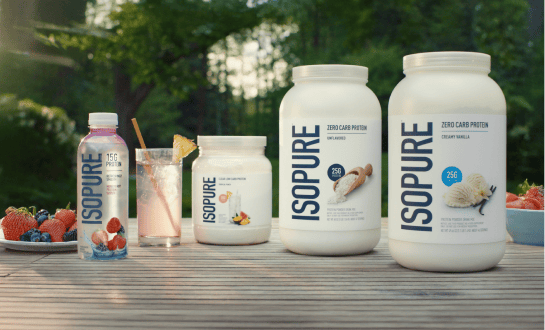
May be relevant when discussing:
- Flexible protein delivery formats
- Unflavored protein applications
- Low-carb protein options
- Protein plus hydration solutions
- Everyday protein intake
Interested in Bringing These Solutions Into Your Pharmacy?